
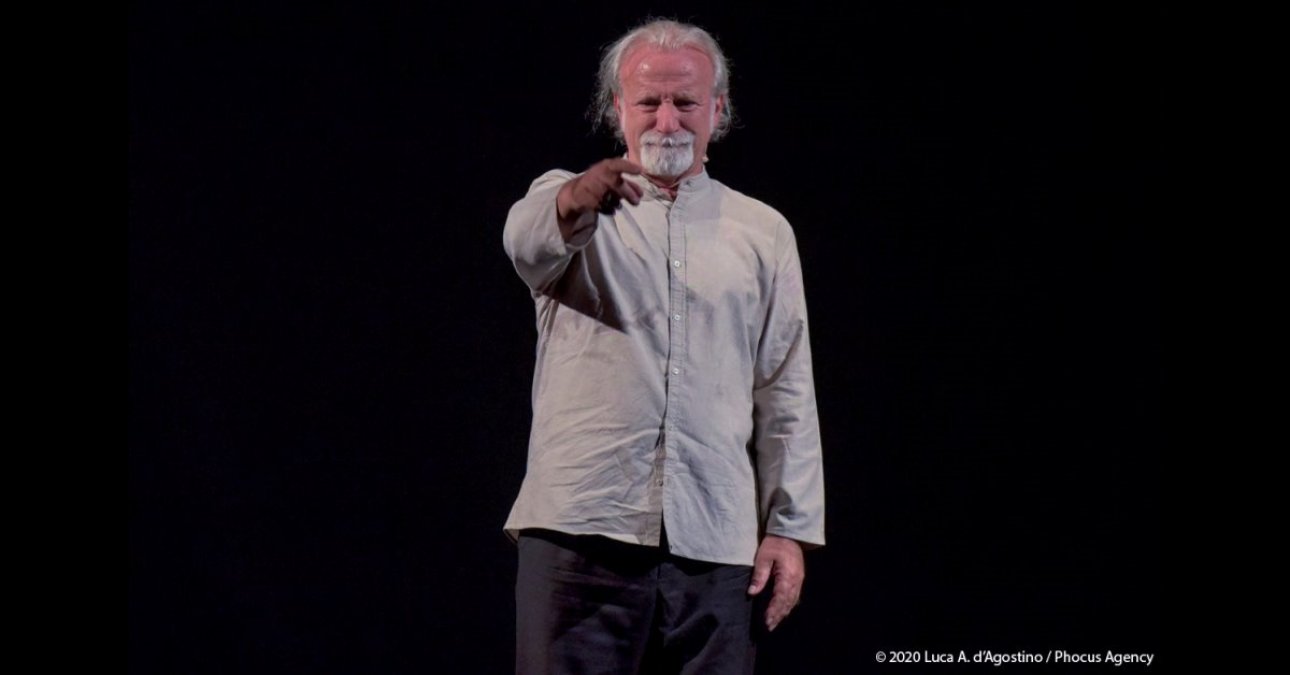
Rebellion
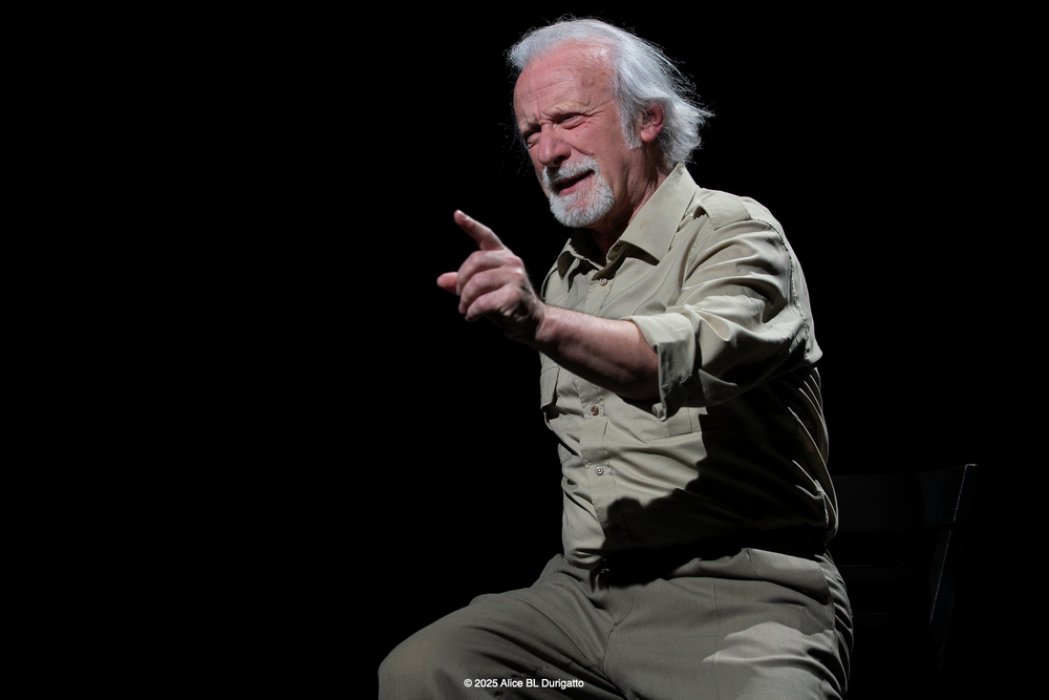
Roberto Anglisani
CREDITStext and direction Francesco Niccolini
dramaturgy of gestures Elisa Cuppini
acting coach Rita Maffei
voice Adalgisa Vavassori
The Rebellion: Against God, injustice and mercy?
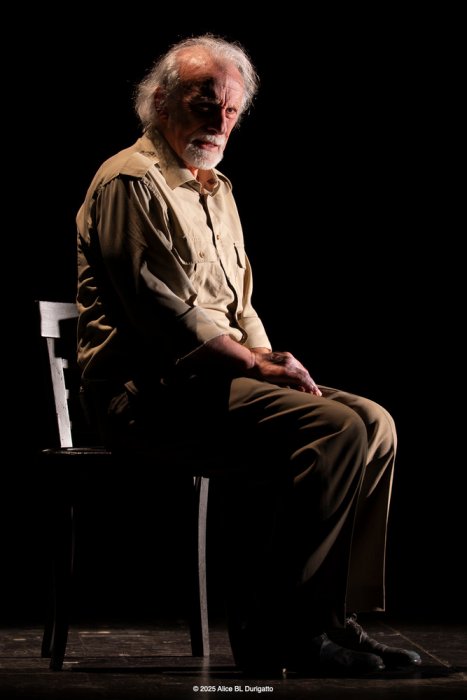
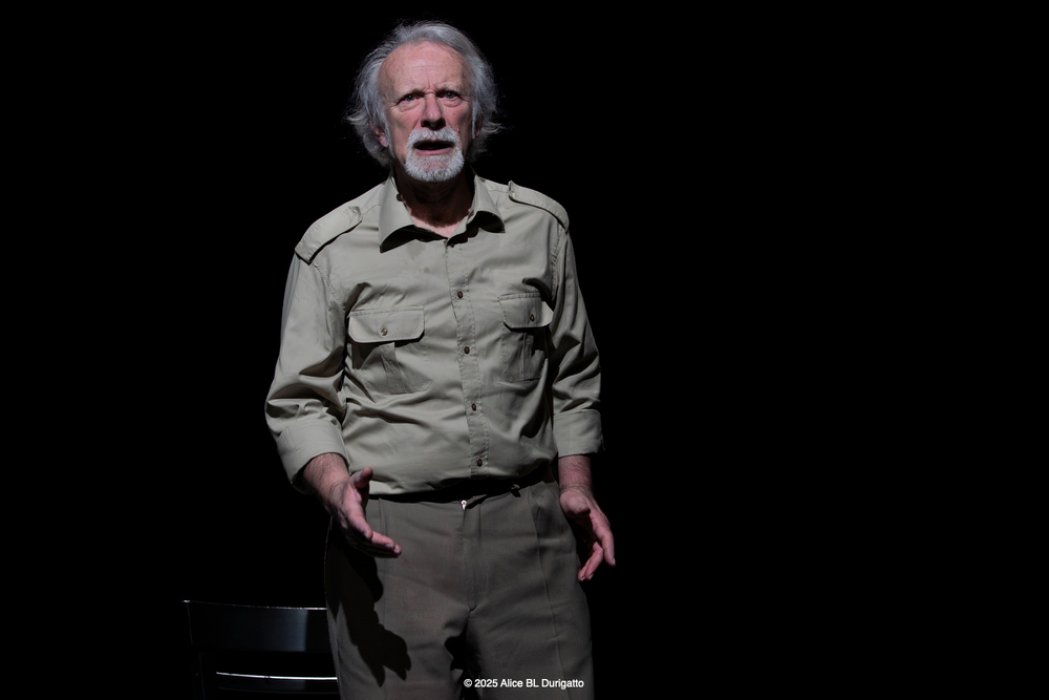
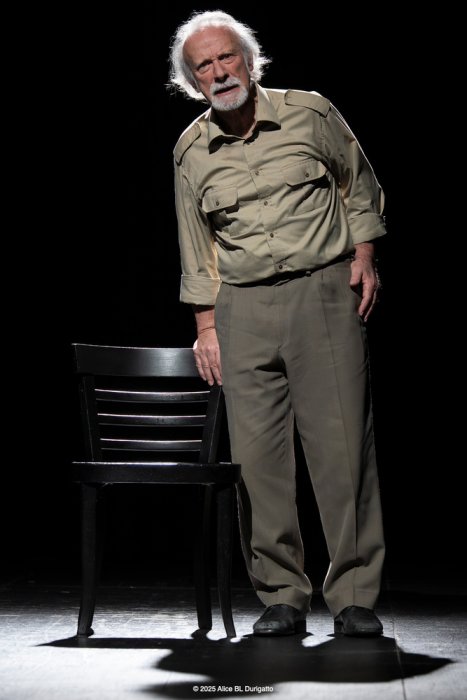
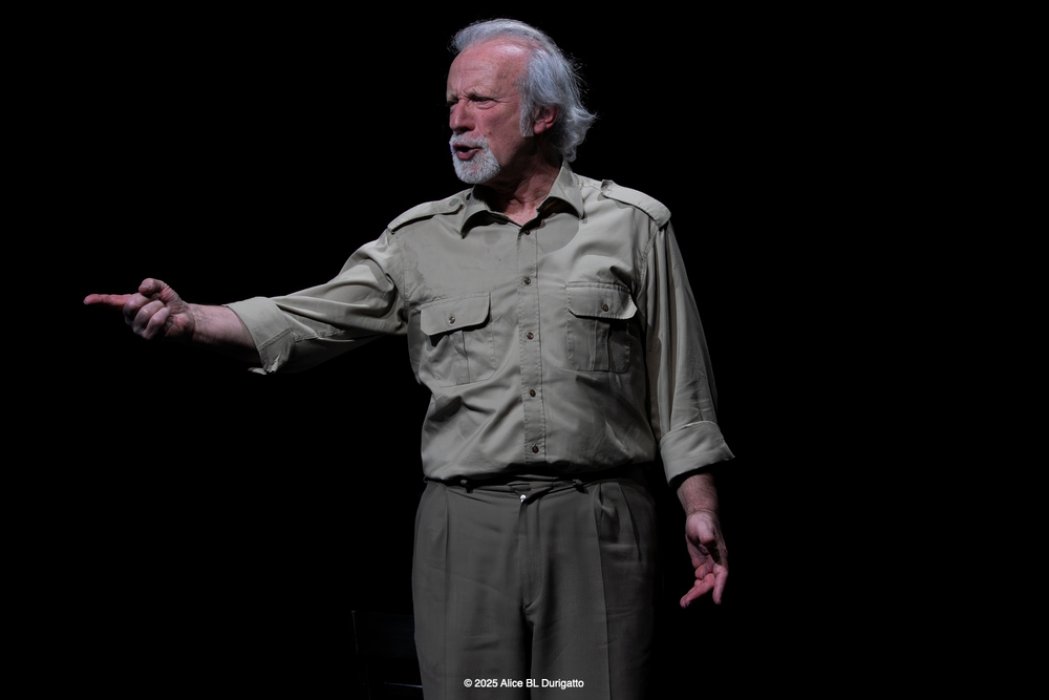
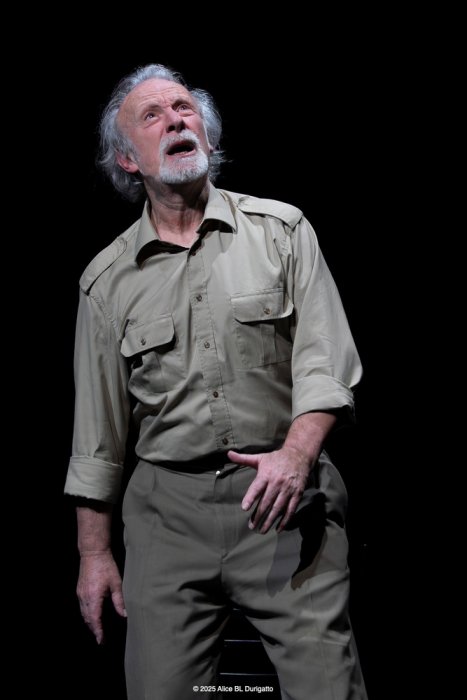
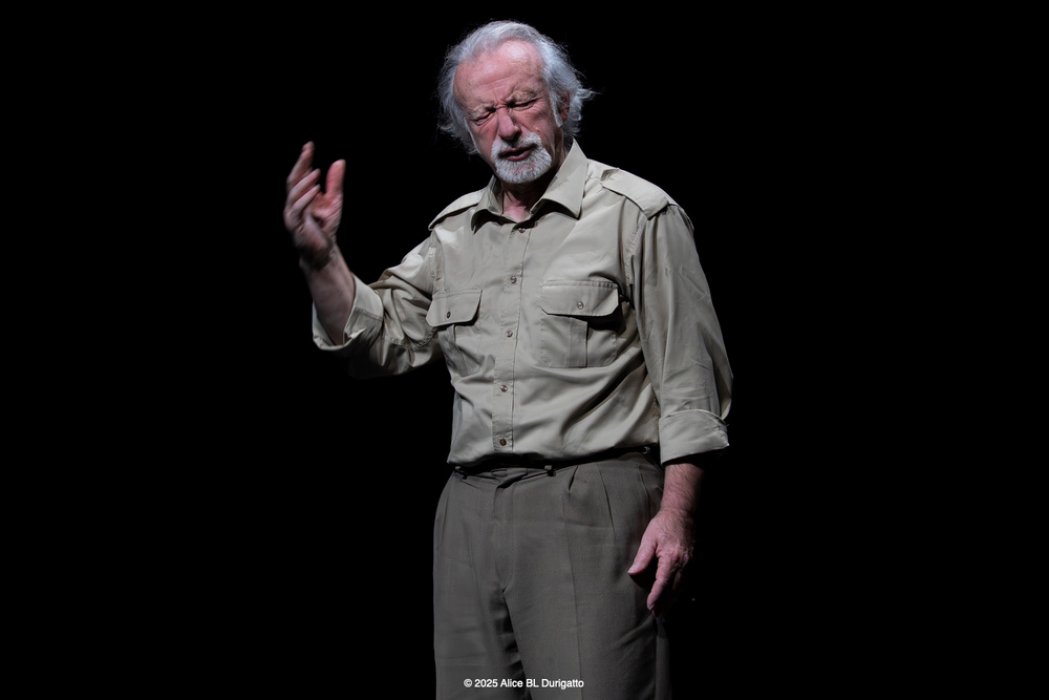
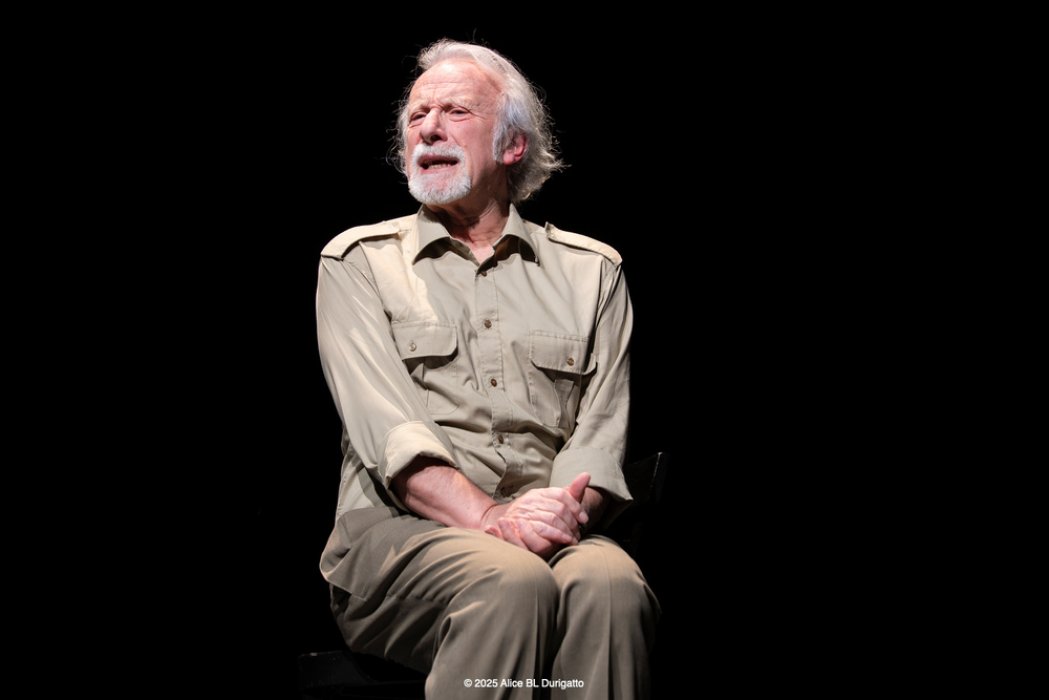
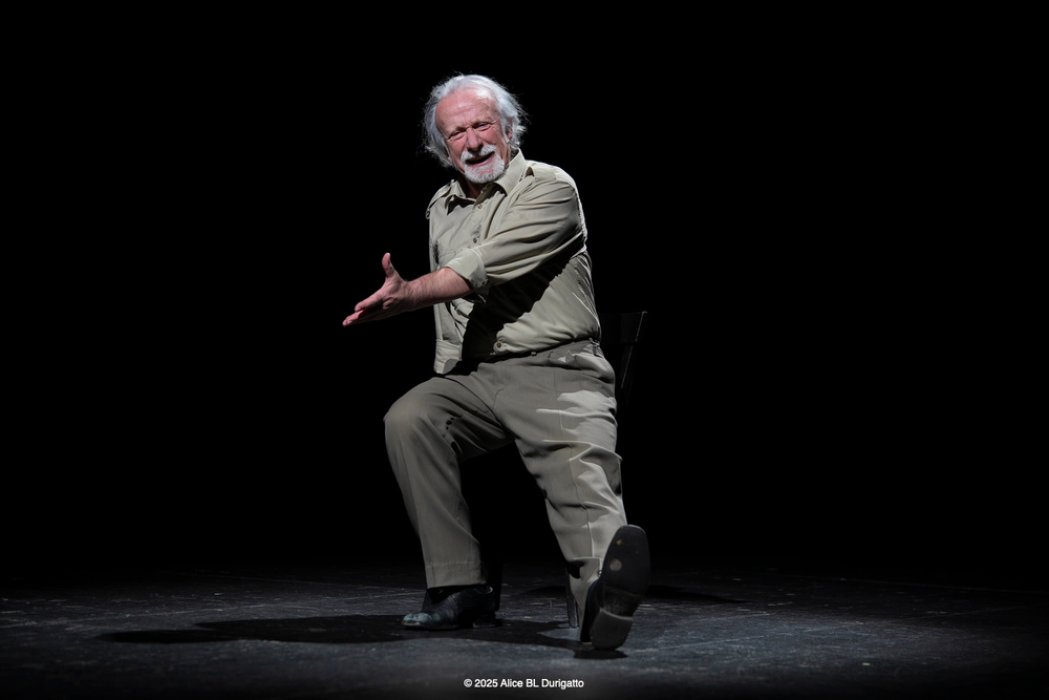
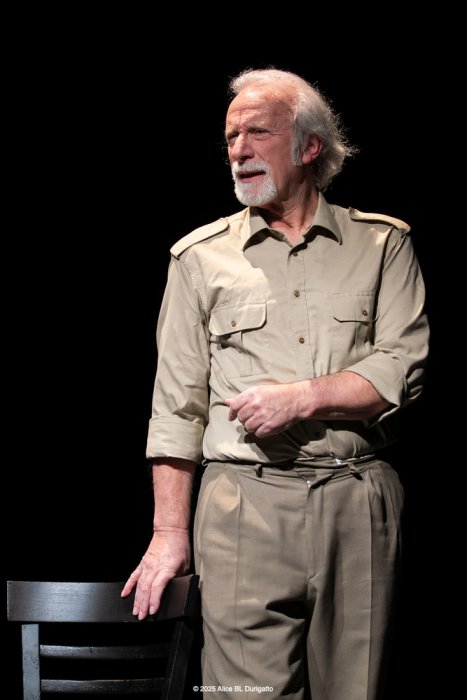
The story recounts the trials and tribulations of Andreas Pum, a disabled war veteran who is sometimes naive and blindly believes in the state and its justice system. He is a God-fearing man who does not rebel and goes his own way. To him, everyone else is a heathen, godless rebel.
After losing a leg in battle, he starts a new life with a widow, her daughter, a mule and a hand-cranked organ, which he considers to be the most beautiful thing in the world. He is happy like that. His theories about the paternal state and justice taking its course are confirmed.
Then, by chance, he meets a man who destroys his life, transforming him and causing him to lose all hope in the state, its justice and the beauty of his own existence, which was already precariously rebuilt after the horror of war. He ends up in prison, where all his beliefs about the state's goodness and the proper course of justice begin to crumble. Day after day, he becomes more and more of a pagan.
While in prison, he would like to feed the sparrows because he believes that nobody, not even God, cares about them. Looking at the birds, he hears the groaning of creation and his own pain. He realises this because he is also experiencing an unjust punishment, and it is only because he is going through it that he is able to sense the pain of others, even the birds. The sermon he delivers to these creatures is moving.
His faith is so weak now that when the prison guard tells him that God takes care of the birds, Andreas replies, ' 'Are you quite sure?'
It is now clear to him that God does not take care of humans or other creatures.
Where is God in the face of all that has happened to him? Why did he not defend him against the injustice of men? Where is justice? And where is truth?
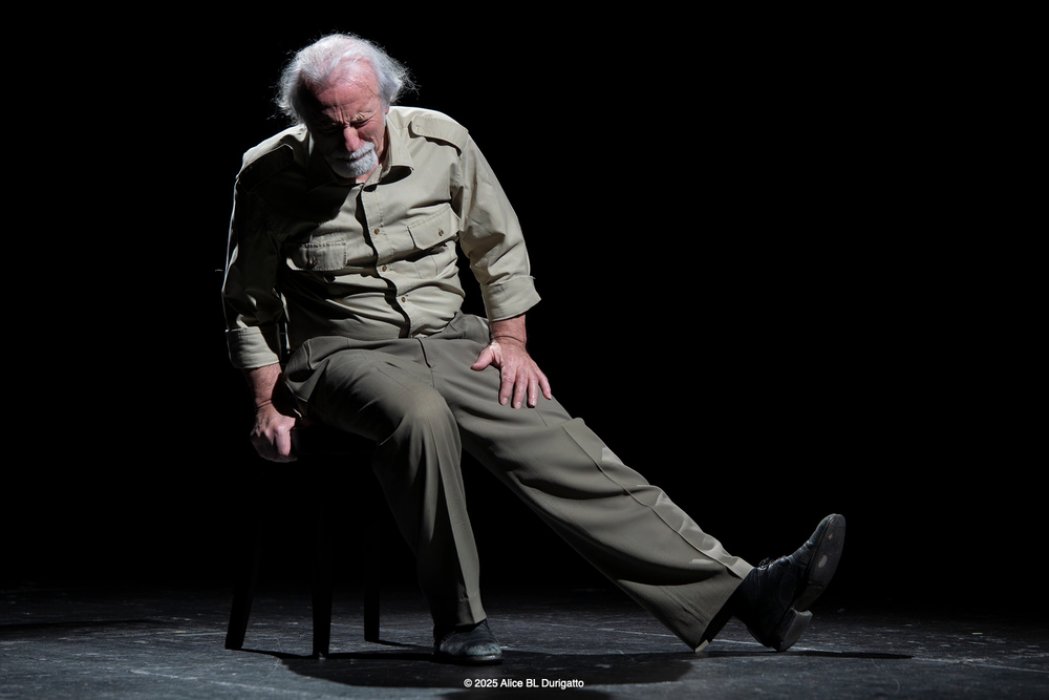
After coming out of prison transformed, aged and depressed, he tries to start living again, but he is actually letting himself die slowly.
As he is dying, he believes he is in court over the affair that overwhelmed his life. He finds himself before a judge who is God and who asks him, 'Andreas, what oppresses your heart?'
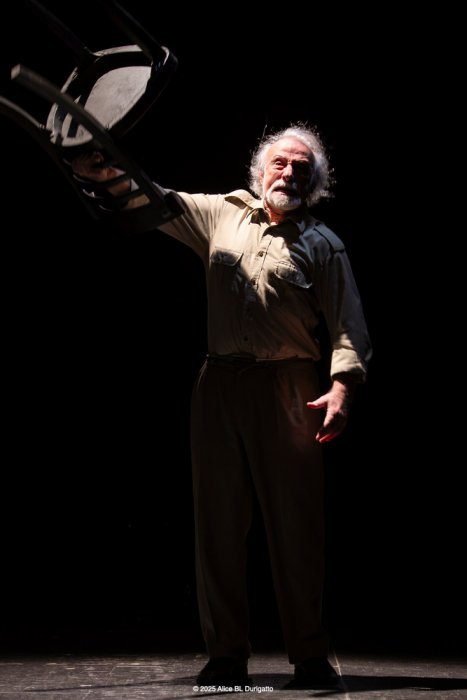
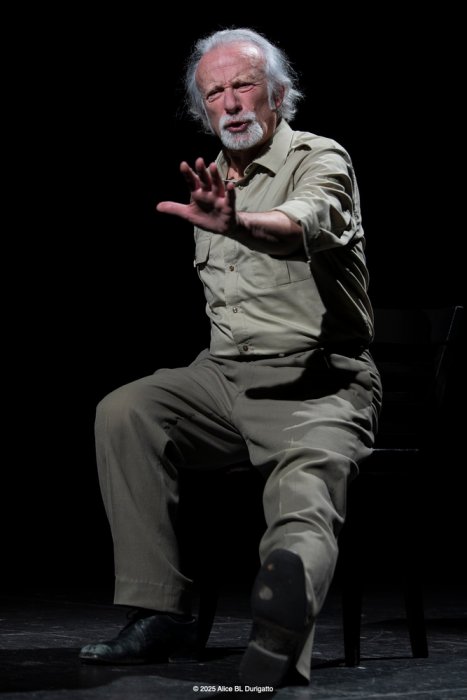
The former soldier hurls abuse at the judge, making accusations that would make any believer tremble because every believer thinks a little like Andreas in the end.
He rebels against God, accusing him of everything and refusing grace. He says that he would rather go to hell than stay with him. Then, moving away from Andreas, the judge becomes bigger and brighter, finally smiling at him as he begins to cry.
Did he go to hell or heaven? Was his weeping a liberating cry, or the tears of someone in despair who knows they have lost all possibility of communion with God? But would God really have laughed if Andreas had gone to hell, or would he have wept instead? Does God accept Andreas' angry, rebellious request?
Perhaps Roth is presenting man with a God who grants grace even to those who ask for hell, because he knows those blasphemies are justified and that the desire for hell is merely the result of a life of injustice — the desperate cry of someone who expected divine justice but never experienced it. For these sufferings, he deserves paradise. God is almost deaf to Andreas' requests; he knows that much nonsense is spoken in anger. God's grace is stronger than anger.
It is precisely from God's final smile and Andreas' liberating tears, not condemnation, that we understand that justice has been served and that he too can finally enter the eternal chambers.
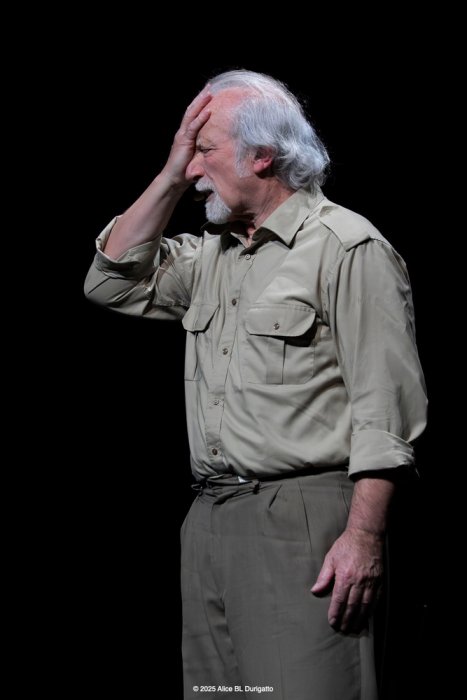
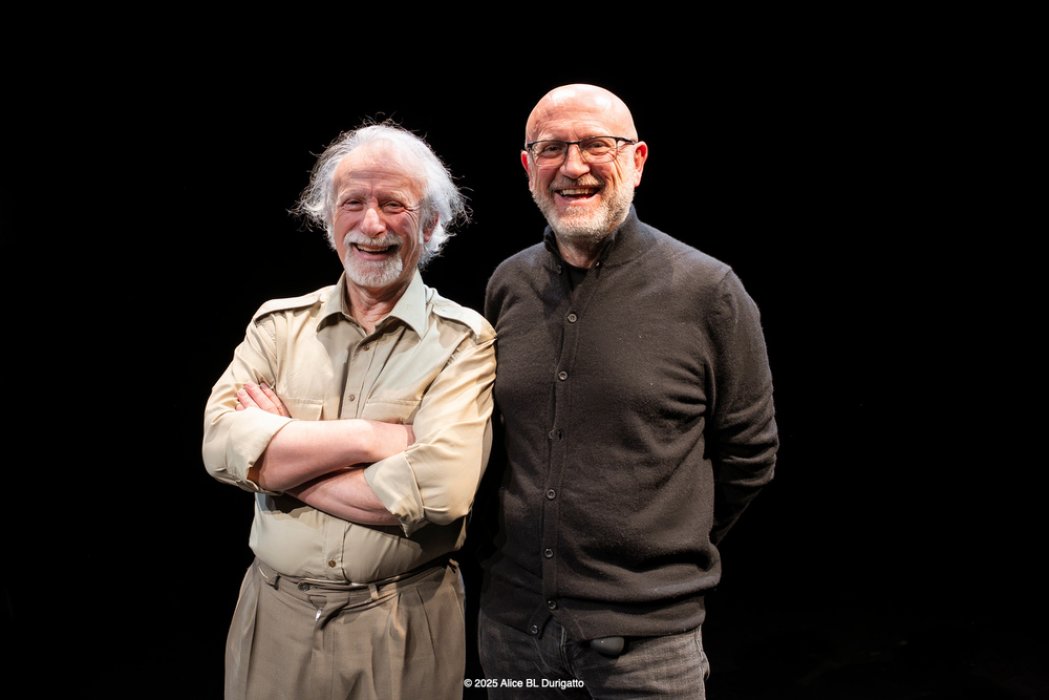
Images
Tour
debut
6 December 2025
Lari (PI), Teatro di Lari
tour
12 and 15 December 2025
Udine, Teatro S. Giorgio, Sala Pinter
17 January 2026, h 21
18 January 2026, h 17
Teatro Contatto
Udine, Teatro S. Giorgio, Sala Pinter
16 April 2026, h 20.45
Cervignano del Friuli, Teatro Pasolini
18 April 2026, h 20.30
19 April 2026, h 18
Reggio Calabria, Spazio Teatro via San Paolo
5 August 2026, h 21:15
deSidera festival
Cividate al Piano (BG), Belvedere del Castello Ricetto
20 August 2026, h 21:15
deSidera festival
Fonteno (BG), Piazza Ongaro Parroci